It is a fact that more than 25% of home septic breakdowns are caused by a missing consistent upkeep? This surprising statistic highlights a frequent challenge for many property owners.
Credible source about septic pumping

Explore the resource about septic pumping

Explore the resource about septic pumping
For homeowners utilizing an private septic system, knowing the right maintenance timeline is more than a recommendation—it is crucial for protecting your asset and your home.
A common mistake is to view this essential system as something to bury and neglect. In reality, it is a biological component of your property that needs regular attention to function correctly.
Adhering to a solid care schedule stops messy overflows, nasty stenches, and high-priced crisis work. The following information will assist you in determining the best frequency for your specific household needs.
Specialists like Septic Services of LA provide the professional guidance and reliable service required to keep everything running smoothly for years to come.
Key Takeaways
- Routine maintenance is vital to stop breakdowns.
- Your household size and daily water consumption determine your ideal service schedule.
- Overlooking maintenance can lead to costly damage and safety hazards.
- Keeping detailed records of maintenance history is a vital component of proper management.
- Professional companies offer the knowledge required for optimal system performance.
- This post will discuss the main factors and warning signs you need to know.
The Basics Of Your Septic Unit
Under your yard sits a complex processing plant that handles all your household’s wastewater naturally. This buried setup comprises three primary components that function as a team.
The primary unit is the septic tank itself, which gathers all drainage first. Then there is the absorption area, which distributes effluent into the soil. The surrounding earth functions as the last purification step.
When wastewater enters the tank, natural settling immediately begins sorting the waste. Thick waste fall to the floor, forming a zone known as sludge. Less dense substances like grease and fats rise to the top, creating a floating mat.
The center zone holds clearer water called effluent. This relatively clean water then flows out to the leach bed for additional cleaning.
Beneficial microbes in the system and the ground are essential in breaking down waste materials. The bacterial colony ensure the safety of local water sources by eating dangerous pathogens.
Knowing this cycle explains why regular service is mandatory. The team at Septic Services of LA can clarify how your unit functions during their professional visits.
Elements Influencing Cleaning Frequency
Your home’s unique characteristics have a big impact in determining the right maintenance schedule. The amount of residents residing in the home impacts the speed of sludge buildup.
More people result in more showers, laundry loads, and toilet flushes. Every one of these actions contribute to more rapid accumulation of your underground treatment unit.
The volume of the septic unit is also a key factor. Bigger tanks can handle more waste and require less frequent attention than smaller ones serving the same family.
| Family Element | Light Usage | Heavy Use Case | Service Schedule |
|---|---|---|---|
| Occupancy | 1-2 people | Large family | Every 3-5 years vs. 1-2 years |
| Tank Capacity | Large tank | Small tank | Less frequent vs. More frequent |
| Water Consumption | Low flow | Wasteful habits | Extended timeline vs. Shorter intervals |
| Solid Waste Load | No disposal usage | Heavy disposal use | Longer periods vs. Regular attention needed |
Being water-wise and using efficient machines also influence your timeline. Vintage tanks or those showing wear might require frequent expert checks.
Septic Services of LA evaluates all these elements when they inspect. They design custom schedules that prevent unnecessary service while avoiding system problems.
Proper evaluation helps homeowners save money with system protection. Customized schedules ensure optimal performance for your unique needs.
Identifying Signs Your Septic Tank Needs Pumping
Your tank signals when it requires attention using distinct warnings on the property. Seeing these red flags can stop big problems and save you significant repair costs.
Sluggish pipes throughout your house that resist standard unclogging indicate early trouble. If several sinks and tubs are slow, the tank might be full.
Bad smells near the treatment area or drain field indicate escaping gases from an overfull container. The odor implies sewage is backing up.
Puddles or unusually green grass patches over the leach lines indicate water isn’t draining. Bubbling noises in pipes and slow-flushing toilets also suggest urgent help may be necessary.
Homeowners can check levels with a sludge judge or stick to measure sludge depth. If sludge is 12 inches deep at the bottom or scum is 6 inches thick, you need a pro.
But, removing the lid is risky. Septic Services of LA provides safe evaluations that keep you safe while delivering accurate assessments including pictures of actual conditions.
Their expert evaluation identifies problems before they become emergencies, making sure the unit gets the right service when needed.
Suggested Pumping Intervals For Your Residence
People often ask how often their on-site treatment system needs service. Standard rules say tanks require pumping every three to five years. This serves as a starting point not a hard law.
The household details dictates the perfect schedule. A family of four with a standard 1,000-gallon unit usually requires a pump every 2.5-3 years. Smaller containers for the same household size may require more regular service.
| Household Size | Tank Capacity (Gallons) | Avg Frequency | Real-Status Rule |
|---|---|---|---|
| Small family | 750-1,000 | 4-5 years | Check layer depth |
| Avg Family | Standard Plus | 2.5-4 years | Monitor base layer |
| 5+ people | Huge | Short interval | Monitor scum at 6 inches thick |
Calendar schedules are not as good as condition-based schedules. Certain homeowners service their systems too frequently. This is expensive and disrupts beneficial bacteria.
The bacteria require a few weeks to rebuild colonies. Over-pumping can damage the natural waste breakdown process. The best way relies on actual measurements.
Septic Services of LA formulates personalized schedules using professional inspections. They look at your specific unit conditions and household patterns. Their experts maintain detailed records to establish the best dates for next time.
Best Practices For Tank Pumping And Upkeep
Simple daily habits can greatly prolong the lifespan of your home’s wastewater treatment setup. The experts at Septic Services of LA stress that all water leaving your house passes through this underground system. Proper care helps keep septic components functioning optimally for decades.
Water conservation is vital in upkeep. Shower quickly and repair drips fast. Use appliances only when full to reduce strain on the tank.
Watch what you flush. Don’t dump oil, toxics, or plastic into sinks or toilets. The commode is only for waste and tissue—not household trash.
Protect your drain field by moving downspouts away from the area. Don’t drive cars over this critical component. Keep trees and large shrubs far away to prevent root damage.
Regular inspections every 1-3 years help catch small issues before they become expensive problems. Following these practices will keep your septic system healthy and maximize time between pump-outs.
How To Get Ready For Septic Service
A little advance planning helps a lot when it’s time for your regular system maintenance. Proper preparation guarantees the service team from Septic Services of LA can work efficiently and effectively.
First, find your underground wastewater unit. Check property records or trace the pipe leaving the house. Many tanks are located 10 to 25 ft from the building.
Clear the surrounding area of blockages prior to arrival. Move stones and pots, and trim overgrown vegetation. Ensure the service truck has easy access to the site.
If the access port is buried, you can dig it out to speed things up. The pros can dig it if necessary. The cleaning job usually lasts half an hour per 1,000 gallons.
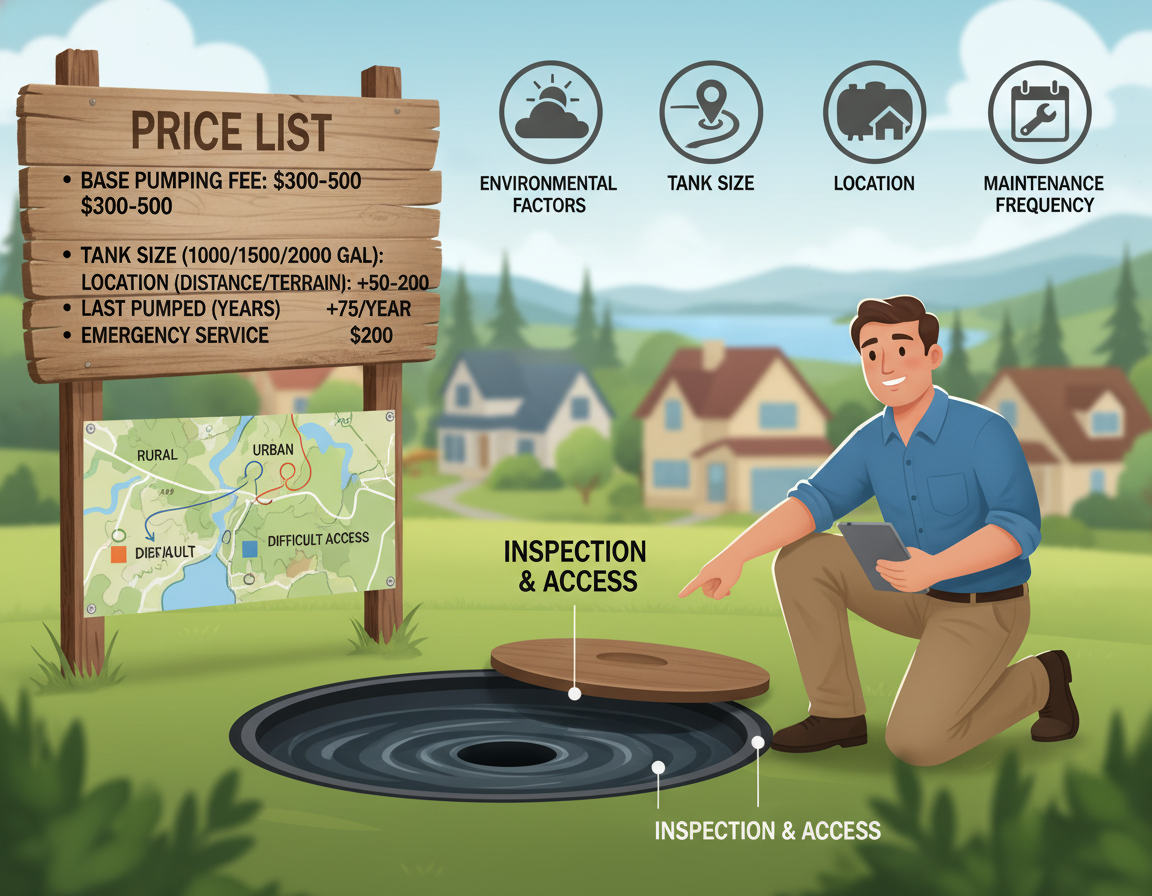
During the service, the techs check parts including baffles and pipes. They look for breaks as they pump it out. Costs generally range between $300 and $600 depending on various factors.
Being there when they come lets you ask things and get advice. Septic Services of LA gives detailed reports to help track tank condition over time.
Hiring Professional Septic Teams For Superior Maintenance
Expert care transforms regular chores from a chore to a benefit in your property’s health. Attempting to handle DIY septic work risks bad cleaning and possible breakage.
Industrial trucks and proper disposal permits are mandatory for safe, effective service. Trained experts understand how to avoid exposure to dangerous gases while working.
Choosing a provider, verify their licensing, insurance and client feedback. Clear costs and experienced staff indicate trustworthy work for your home.
Septic Services of LA shines as the premier provider throughout the Los Angeles area. The crew provides full service from checkups and urgent repairs.
Technicians conduct thorough inspections every time, finding problems before they become costly emergencies. They keep logs to improve your pumping plan over time.
Extra benefits include locating buried components and giving custom advice. Their focus on teaching you ensures you know your system’s unique needs.
Offering easy booking and prompt response times, Septic Services of LA delivers reliable care that protects your investment. Their professional approach ensures good work from start to finish.
Managing Your Septic Tank After Service
The septic system enters a crucial recovery phase once cleaned. The good bacteria that break down waste need time to grow back.
These bacteria usually need a few weeks to return to optimal levels. In this time, be extra mindful of water use.
Keep staying away from strong cleaners and non-biodegradable items in the pipes. Keep up the routine that prolong the gap between pumps.
Establish a regular inspection schedule every 1-3 years to monitor accumulation rates. This proactive approach helps catch developing issues fast.
Save the paperwork of all maintenance activities and observations. Septic Services of LA assists clients in keeping these important data for optimal system management.
Watch for warning signs like clogs or unusual odors around your drain field. These indicators can signal if the tank needs help.
Yearly looks of the yard and ongoing water saving contribute to long-term system health. Proper care between service visits significantly extends system life.
Wrap Up
Taking control of your home’s wastewater management starts by knowing how it works. There is no universal schedule that fits every household. The correct interval depends on occupancy, usage habits, and waste amount entering the system.
The most reliable method involves checking the waste depth inside your unit. Watch for warning signs like sluggish pipes or weird smells. This tells you you need help.
Good daily habits protect your investment and can extend the time between cleanings. Trusting experts like Septic Services of LA guarantees safe, thorough care and custom tips.
Ready for a system that works well for decades? Contact Septic Services of LA today for a professional assessment and keep your home’s wastewater treatment in top shape.